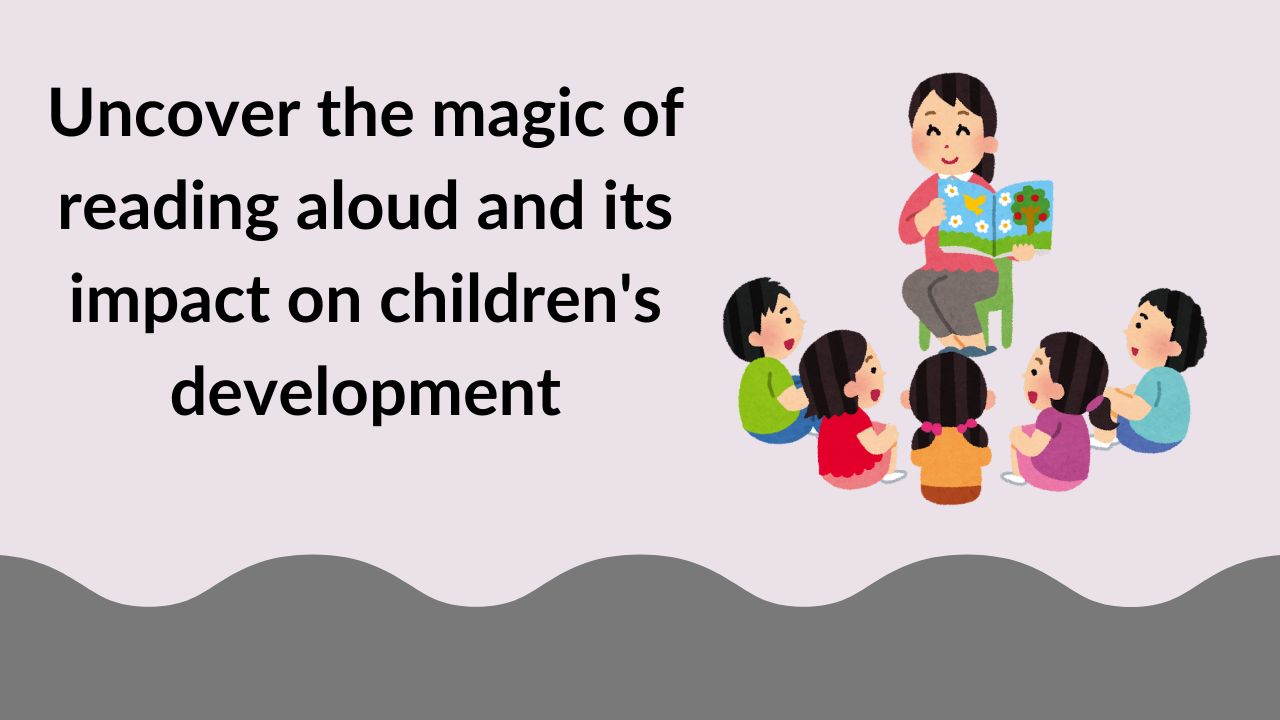
Uncover the magic of reading aloud and its impact on children’s development
Did you know that just 10 minutes a day of reading aloud can have a profound impact on a child’s development? Yes, you read that right! Incorporating reading aloud into daily routines, both at school and at home, can set the foundation for a lifelong love of reading, while also fostering imagination, improving listening comprehension, and promoting bonding between the reader and the child. Let’s dive deeper into the benefits and importance of reading aloud for kids and adults alike.
Key Takeaways:
- Reading aloud for just 10 minutes a day can significantly impact a child’s development and set the foundation for a love of reading.
- Reading aloud helps children develop language and literacy skills, fosters imagination, improves listening comprehension, and promotes bonding.
- Incorporating reading aloud into daily routines, both at school and at home, is crucial for reaping the benefits.
- Reading aloud serves as a gateway to understanding and imagination, enhancing reading fluency and expanding vocabulary.
- By bridging the gap between oral and written language, reading aloud contributes to language development, vocabulary expansion, memory, and world comprehension.
Inspiring Lifelong Readers Through the Power of Reading Aloud
Cultivating a Love for Reading from an Early Age
Reading aloud plays a crucial role in nurturing a love for reading from an early age. By exposing children to the joy and wonder of storytelling, reading aloud helps them develop a positive association with books. As children listen to captivating stories, their imagination is ignited, and they begin to form a deep appreciation for the magic of literature. This early exposure to reading not only sparks their interest but also sets the foundation for a lifelong love affair with books.
Transforming Bedtime Stories into Learning Sessions
Bedtime stories offer a unique opportunity to transform reading aloud into meaningful learning sessions. Rather than merely reading the story, parents and caregivers can engage children in discussions about the plot, characters, and themes. By asking open-ended questions and encouraging critical thinking, bedtime stories become interactive experiences that stimulate curiosity and foster a deeper understanding of the text. This active engagement not only enhances comprehension but also instills a sense of curiosity and a desire for exploration.
An Author’s Perspective on the Impact of Oral Reading
From an author’s perspective, reading aloud is a powerful tool to connect with young readers and inspire a lifelong love of literature. When an author reads their own work, they bring it to life in a unique and compelling way, capturing the essence of the story and creating a personal connection with their audience. This firsthand experience of hearing the author’s voice and interpretation adds a layer of depth and authenticity to the reading process, fostering a sense of admiration and inspiration for both the author and the written word.
Reading Aloud: A Gateway to Understanding and Imagination
Reading aloud serves as a gateway to understanding and imagination. It offers numerous benefits that enhance literacy skills and foster a love for reading. Let’s explore how reading aloud benefits children and adults alike.
1. Enhancing Reading Fluency
When we read aloud, we expose ourselves to the rhythm and melody of language. This exposure helps children develop reading fluency, as they become familiar with the natural flow of sentences and the cadence of words. By listening to the vocal delivery of the reader, children internalize the patterns of speech and learn to read with greater accuracy and expression.
2. Expanding Literacy Skills
Reading aloud increases vocabulary and knowledge. Through exposure to a variety of texts and genres, children are introduced to new words, phrases, and concepts. They learn to decipher unfamiliar words in context and expand their understanding of language. Additionally, storytelling through oral reading allows children to immerse themselves in the world of stories, engaging their imaginations and creativity.
3. Captivating Storytelling and Vocal Delivery
The act of oral reading — the blending of storytelling and vocal delivery — creates a captivating experience for both the reader and the listener. The reader has the opportunity to bring characters to life, engaging the listener’s emotions and imagination. The power of vocal delivery, with its intonation and emphasis, adds depth and richness to the story, making it a truly immersive experience.
4. Fostering Imagination and Creativity
Reading aloud allows children to immerse themselves in stories and characters, fostering their imagination and creativity. They can visualize the settings, empathize with the characters, and explore different worlds without leaving their physical surroundings. Through these imaginative journeys, children develop critical thinking skills and learn to make connections between the stories they hear and their own experiences.
Reading aloud is not limited to children; it benefits adults as well. Sharing stories, whether through oral reading or storytelling, strengthens bonds and promotes a sense of connection and belonging. It encourages discussion, reflection, and the sharing of ideas.
So, whether you’re reading aloud to children or participating in a book club with fellow adults, embrace the power of reading aloud. Discover the wonders it holds, from enhancing literacy skills to igniting the imagination. Uncover the magic of reading aloud and dive into a world of stories that will captivate hearts and minds.
The Profound Effects of Reading Aloud on Language Development
Reading aloud to children has a profound impact on their language development, shaping their vocabulary expansion and improving their comprehension skills. By bridging the gap between oral and written language, reading aloud exposes children to a diverse range of vocabulary and language structures, helping them become more proficient in both listening and speaking. Through aural exposure, children learn new words and concepts, expanding their vocabulary and enhancing their language skills.
Bridging the Gap: Vocabulary Expansion through Aural Exposure
When children hear stories read aloud, they are exposed to a rich and varied language that goes beyond their day-to-day conversations. This exposure to a wide range of vocabulary helps them acquire new words and understand their meanings in context. It also enables them to use these words in their own speech, thereby strengthening their communication skills. By consistently reading aloud, parents, caregivers, and educators provide children with valuable opportunities for vocabulary expansion, which plays a vital role in their overall language development.
The Velcro Theory of Memory and World Comprehension
The Velcro Theory of Memory suggests that hearing stories read aloud helps children create mental connections and better understand the world around them. As children listen to engaging narratives, they develop cognitive skills such as memory recall, pattern recognition, and comprehension. By immersing themselves in the stories, children’s imaginations are sparked, and they gain a deeper understanding of different cultures, emotions, and experiences. Reading aloud contributes to their overall cognitive development, nurturing their curiosity and expanding their knowledge of the world.
From Hearing to Reading: The Transition to Independent Literacy
The skills and knowledge gained through reading aloud pave the way for children to transition from hearing stories to reading independently. By regularly exposing children to a variety of texts, reading aloud instills a love for reading and cultivates important pre-reading skills, such as phonemic awareness and print awareness. As children become familiar with the patterns and structures of language through listening, they gain the confidence to explore written words and sentences on their own. This transition to independent literacy is a significant milestone that solidifies their language abilities and fosters a lifelong passion for reading.
FAQ
How does reading aloud to children impact their development?
Reading aloud to children has a profound impact on their development by helping them develop language and literacy skills, fostering imagination, improving listening comprehension, and promoting bonding between the reader and the child.
How can reading aloud cultivate a love for reading from an early age?
Reading aloud exposes children to the joy and wonder of storytelling, creating a positive association with books. Bedtime stories can be transformed into meaningful learning sessions by engaging children in discussions about the story and characters, and hearing an author read their own work can inspire children to become avid readers and writers themselves.
How does reading aloud serve as a gateway to understanding and imagination?
Reading aloud helps children develop reading fluency by exposing them to the rhythm and melody of language. It also enhances their literacy skills by expanding their vocabulary and knowledge of the world. The act of oral reading, with its storytelling and vocal delivery, creates a captivating experience for both the reader and the listener.
What are the profound effects of reading aloud on language development?
Reading aloud helps bridge the gap between oral and written language by exposing children to a wide range of vocabulary and language structures. It also helps children create mental connections and better understand the world through the Velcro Theory of Memory. The skills and knowledge gained through reading aloud contribute to children’s literacy development and comprehension abilities as they transition to independent reading.
Source Links: