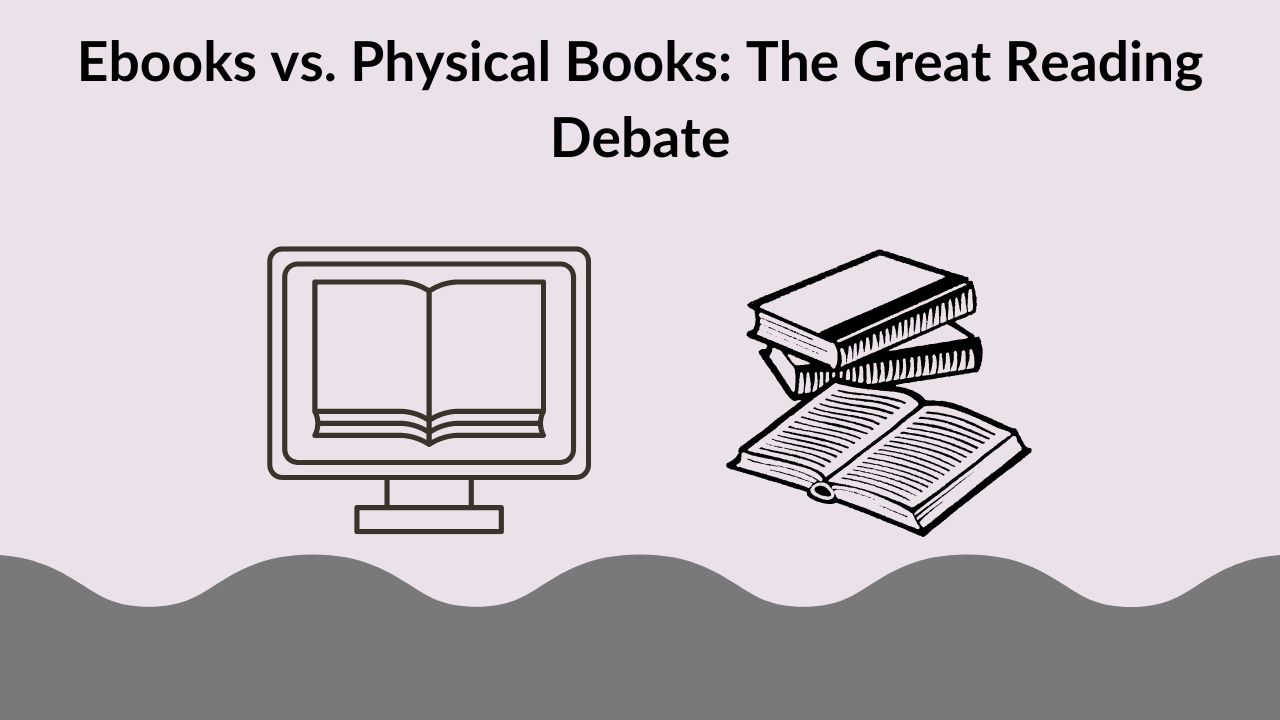
Ebooks vs. Physical Books: The Great Reading Debate
Did you know that as of 2021, ebooks account for 26% of all book sales in the United States, while physical books still hold a dominant 74% share? This surprising statistic highlights the ongoing debate between digital reading and the traditional print format. So, what are the advantages of ebooks that have led to their rise in popularity? And what are the enduring benefits of physical books that continue to captivate readers?
Key Takeaways:
- Ebooks comprise 26% of book sales in the US, while physical books hold a 74% share.
- The debate between ebooks and physical books centers around the advantages of digital reading and the enduring benefits of the print format.
- Exploring reader preferences and trends can provide insight into the ongoing ebook vs. physical book debate.
- Analyzing the benefits and drawbacks of both formats can help readers make an informed choice.
- Individual preferences and needs play a crucial role in determining the best reading format for each reader.
The Dilemma of Choosing Between Ebooks and Physical Books
When it comes to deciding between ebooks and physical books, readers often find themselves facing a dilemma. Both formats have their own unique characteristics and advantages, making it challenging to determine which one is the right fit. In this section, we will explore the conflicting formats of digital and print media, the emotional and sensory appeal of traditional books, and practical considerations of storage and portability in reading. By understanding these factors, readers can make a more informed decision based on their personal preferences and needs.
Exploring the Conflicting Formats of Digital and Print Media
The advent of digital reading devices has revolutionized the way we consume books. Electronic books, or ebooks, offer unparalleled convenience with their portability and accessibility. With just a single device, readers can carry an entire library wherever they go. Additionally, ebooks are often more cost-effective and environmentally friendly compared to traditional paperback books.
On the other hand, paperback books hold a certain charm that cannot be replicated by their digital counterparts. The tactile experience of flipping through physical pages, the scent of ink on paper, and the weight of a book in one’s hands create a sensory connection that many readers find incredibly satisfying. Traditional books also have a visual appeal, with their cover designs and the aesthetic value they add to a bookshelf.
The Emotional and Sensory Appeal of Traditional Books
Traditional books hold an emotional value that goes beyond the words within their pages. For many readers, the act of holding and reading a physical book brings a sense of nostalgia and a connection to the past. The experience of browsing through a bookstore or library, discovering hidden gems on the shelves, and the feeling of accomplishment that comes with finishing a physical book are all factors that contribute to the emotional appeal of traditional books.
Furthermore, physical books provide a sensory experience that cannot be replicated by ebooks. The weight of a book, the texture of the paper, and even the sound of turning pages evoke a deeper connection to the material and the story it holds. These sensory elements enhance the overall reading experience and create memories that are often associated with specific books.
Practical Considerations of Storage and Portability in Reading
One of the practical advantages of ebooks is their storage and portability. With a digital reading device, readers can carry thousands of books wherever they go, eliminating the physical space required to store a large collection. This is particularly beneficial for avid readers who enjoy switching between multiple books and genres.
On the other hand, physical books offer a unique aesthetic and the joy of displaying a personal library. For some readers, the physical presence of books enhances their reading environment and serves as a source of inspiration. However, it is important to consider the space requirements and potential challenges of storing and organizing a collection of physical books.
Ultimately, the decision between ebooks and physical books comes down to personal preferences and priorities. Some readers may prioritize convenience and accessibility, while others may value the emotional and sensory experience that comes with holding a physical book. It is important to consider these factors and reflect on your own reading preferences to determine which format best suits your needs.
Ebooks vs. Physical Books: Analyzing Reader Preferences and Trends
In today’s digital age, the debate between ebooks and physical books continues to spark discussions among readers. As technology advances, ebooks have gained popularity for their convenience and accessibility. However, physical books still hold a special place in the hearts of many avid readers. In this section, we will analyze reader preferences and trends, exploring the advantages of ebooks and the benefits of physical books.
One of the key advantages of ebooks is their portability. With smartphones, tablets, and dedicated e-readers, readers can carry hundreds of books in a single device. Ebooks also offer convenience in terms of instant access to a vast library of titles, allowing readers to easily navigate and search for specific passages. Furthermore, digital books often come with features like adjustable font sizes and built-in dictionaries, enhancing the reading experience for individuals with visual impairments or language learners.
On the other hand, physical books have their own unique benefits. The tactile nature of holding a book, flipping through its pages, and inhaling the scent of ink and paper can evoke a sense of nostalgia and provide a sensory experience that ebooks cannot replicate. Physical books also offer a visual appeal with their cover designs and the aesthetic value they add to bookshelves. Many readers find comfort and emotional connection in surrounding themselves with a physical collection of books.
Examining the current trends in ebook readership, we see that digital books have experienced significant growth in recent years. According to industry reports, the market share of ebooks has been steadily increasing, fueled by the rise of e-readers and the convenience they offer. However, despite this upward trend, traditional print books still hold a significant portion of the market share, with readers continuing to appreciate the tangibility and enduring nature of physical books.
| Ebooks | Print Books | |
|---|---|---|
| Market Share | Increasing | Significant |
| Advantages | Portability, instant access, adjustable font sizes | Tactile experience, visual appeal, emotional connection |
| Reader Preferences | Growing popularity | Enduring appeal |
Despite the rise of ebooks, print book sales continue to thrive in 2021. Readers enjoy the physicality of owning a book, displaying it on their bookshelves, and sharing it with others. The demand for print books remains strong, with readers valuing the traditional reading experience.
In conclusion, the debate between ebooks and physical books is multifaceted, with readers expressing different preferences and appreciating the unique benefits of each format. As technology continues to evolve, it is likely that we will see further shifts in reader preferences. Nevertheless, both ebooks and physical books have their own place in the reading landscape, catering to different needs and offering distinct advantages.
Benefits and Drawbacks of Ebooks and Physical Books
In this final section, we will explore the various benefits and drawbacks of both ebooks and physical books. Understanding these aspects can help you make an informed decision when it comes to choosing your preferred reading format.
Ownership and the Concept of Permanence
One aspect to consider is the concept of ownership and permanence. Physical books offer a tangible sense of ownership, as they can be held, displayed, and shared with others. Furthermore, physical books do not rely on technology or external devices to be accessed, ensuring their longevity. On the other hand, ebooks are often associated with digital rights management systems, which may limit the reader’s control over their own content.
Annotation Capabilities in Different Formats
Another factor to consider is the annotation capabilities in different formats. Physical books allow readers to annotate, highlight, and write notes directly on the pages. This hands-on interaction with the text can enhance the reading experience and facilitate deeper comprehension. Although some ebook readers offer annotation features, they may not provide the same level of convenience or personalization as physical books.
Impact on Attention Span and Reading Retention
When it comes to attention span and reading retention, both formats have their implications. With the proliferation of digital distractions, reading ebooks on devices with access to the internet and apps can potentially hinder focus and concentration. On the other hand, some studies suggest that the physical presence and tactile experience of a book can enhance information retention and overall reading experience.
Accessibility and Cost-Effectiveness of Ebooks
Ebooks offer unparalleled accessibility, allowing readers to carry a vast library wherever they go. They can be easily accessed on various digital devices, making them a convenient choice for those on the move. Additionally, ebooks often come at a lower price point compared to physical books, which can make them a more cost-effective option.
The Enduring Value of a Physical Book Collection
Finally, we cannot overlook the enduring value of a physical book collection. For many book lovers, the act of building a personal library and curating a collection of physical books is an integral part of the reading experience. The aesthetic appeal, the joy of browsing shelves lined with books, and the opportunity for serendipitous discoveries are all elements that contribute to the enduring value of physical books.
As we have discussed the benefits and drawbacks of both ebooks and physical books, it is clear that each format offers its distinct advantages and considerations. The choice ultimately depends on your personal preferences, reading habits, and lifestyle. Whether you opt for the convenience and portability of ebooks or the tangible experience and enduring value of physical books, both formats have their place in the world of reading.
FAQ
What are the advantages of ebooks over physical books?
Ebooks offer convenience, portability, and the ability to carry thousands of books in a single device. They also often come at a lower cost and allow for adjustable font sizes and reading settings.
What are the benefits of physical books compared to ebooks?
Physical books provide a tangible reading experience, with the ability to flip through pages and physically interact with the text. They offer a sense of ownership and can create a personal library collection that adds to the reading experience.
Which ebook reader is the best choice?
There are several popular ebook readers available, including Kindle, Kobo, and Nook. The best choice depends on individual preferences such as display technology, ecosystem compatibility, and additional features like waterproofing or audiobook support.
What is the current market share of ebooks compared to physical books?
Though the ebook market has grown significantly in recent years, physical books still hold a majority market share. However, the specific market share varies based on genres and target demographics.
How do ebooks and physical books differ in terms of ownership rights?
With ebooks, readers typically purchase a license that grants them access to the content but does not include ownership rights. Physical books, on the other hand, provide full ownership, allowing readers to lend, sell, or donate their copies.
Do ebooks allow for annotation and personalization similar to physical books?
Yes, many ebook readers offer annotation capabilities, allowing readers to highlight passages, make notes, and bookmark pages. These annotations can often be synced across devices and shared with others.
Does reading ebooks impact attention span and reading retention compared to physical books?
Research suggests that reading digitally may lead to shorter attention spans and reduced reading comprehension compared to reading from physical books. However, this can vary based on individual reading habits and preferences.
Are ebooks more accessible and cost-effective than physical books?
Ebooks are generally more accessible for individuals with visual impairments, as they offer adjustable fonts and text-to-speech features. Additionally, ebooks are often more cost-effective, as they are typically priced lower than physical books.
What is the enduring value of a physical book collection?
A physical book collection holds sentimental and aesthetic value, as it allows readers to showcase their personal interests and tastes. It can also be passed down as an heirloom and provide a tangible connection to the past.
Source Links: