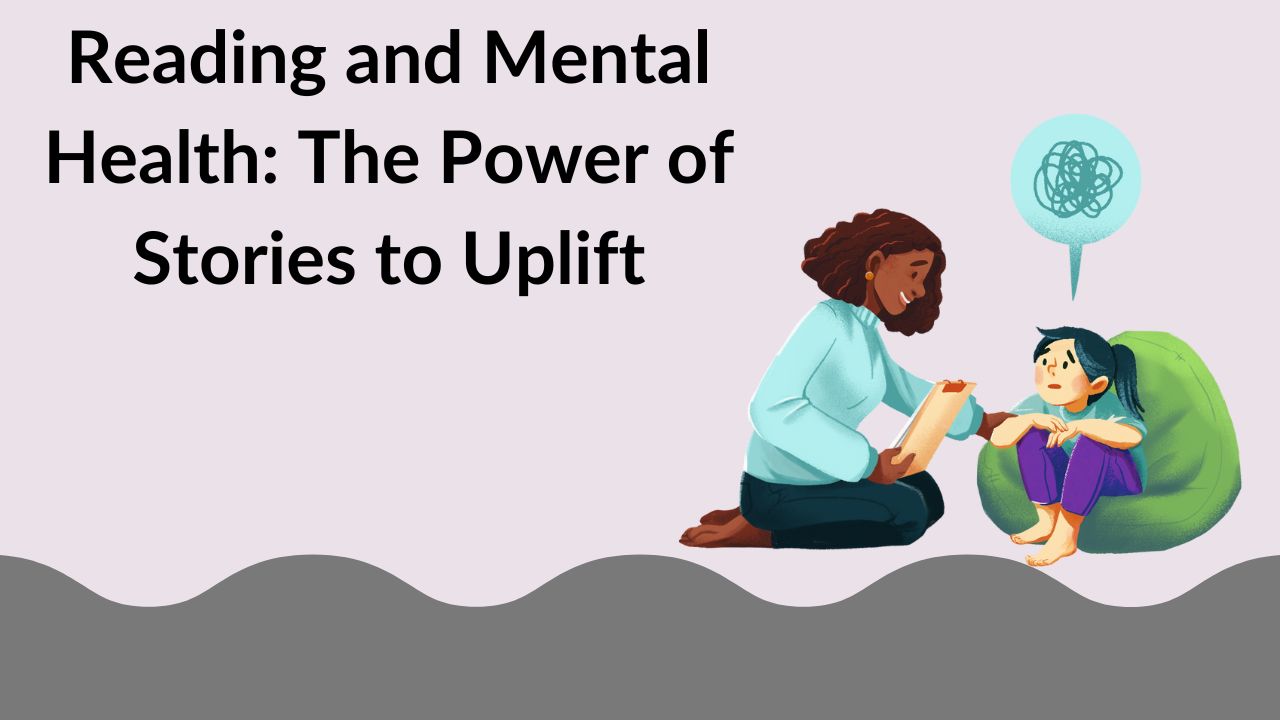
Reading and Mental Health: The Power of Stories to Uplift
Did you know that reading has a profound impact on mental health and well-being? It’s true. Research has shown that stories have the power to uplift, inspire, and heal. Whether we read books, listen to audiobooks, or watch movies, engaging with stories can bring about positive changes in our mental and emotional state. Stories provide an escape from reality, allowing us to immerse ourselves in different worlds and perspectives. They can also serve as a form of therapy, helping us process our own emotions and navigate life’s challenges. In this article, we will explore the relationship between reading and mental health, the neurological impact of storytelling, the role of empathy and social connection in reading, the cathartic effects of narrative engagement, and the educational benefits of reading for mental wellness.
Key Takeaways:
- Reading has a profound impact on mental health and well-being.
- Engaging with stories can uplift, inspire, and heal.
- Stories provide an escape and allow us to immerse ourselves in different perspectives.
- Reading can serve as a form of therapy, helping us process emotions and navigate challenges.
- There are also educational benefits of reading for mental wellness.
Exploring the Relationship Between Reading and Mental Health
The Neurological Impact of Storytelling on Well-being
Reading has a profound neurological impact on well-being. When we engage with stories, our brains undergo a remarkable process of processing information, activating various regions associated with language, imagination, and emotion. This cognitive engagement stimulates the release of neurotransmitters like oxytocin, which promotes feelings of empathy and social connection.
Reading as a Pathway to Empathy and Social Connection
Reading fosters empathy and social connection, serving as a pathway to understanding and relating to others. Through the power of storytelling, we are transported into the lives and experiences of different characters, broadening our perspectives and deepening our capacity for empathy. It allows us to connect with the thoughts, feelings, and struggles of the characters, creating bonds and fostering a sense of shared humanity.
Cathartic Effects of Narrative Engagement
Narrative engagement in reading brings about cathartic effects, offering a safe space for emotional release and personal reflection. As we immerse ourselves in the narratives, we can project our own emotions onto the characters and situations, providing an outlet to process and make sense of our own experiences. This catharsis provides emotional relief and can contribute to psychological well-being.
Beyond Entertainment: Educational Benefits of Reading for Mental Wellness
Reading goes beyond entertainment and offers significant educational benefits for mental wellness. It enhances cognitive functions, such as critical thinking, problem-solving, and creativity. Additionally, reading exposes us to new ideas, cultures, and perspectives, expanding our knowledge and broadening our horizons. This intellectual stimulation contributes to personal growth and lifelong learning, nurturing a healthy mind and a strong sense of well-being.
Reading and Mental Health: Nurturing Emotional Resilience
Reading plays a vital role in nurturing emotional resilience. Stories have the power to help us navigate difficult emotions and overcome challenging life situations. They provide a sense of validation and understanding, allowing us to find solace, courage, and inspiration to overcome our own struggles. Whether we immerse ourselves in the experiences of fictional characters or explore real-life narratives, books can offer a unique therapeutic experience that promotes emotional well-being.
When we read books that address topics related to emotional resilience, we engage in what is known as bibliotherapy. Bibliotherapy is the use of literature to enhance mental health and promote personal growth. By reading books that resonate with our own experiences, we can find comfort and gain new perspectives, which can foster resilience and support our overall well-being.
Cultivating Reading Habits for Mental Wellness
Reading can be a powerful tool for promoting mental wellness. By cultivating regular reading habits, individuals can tap into the therapeutic benefits of storytelling and enhance their overall well-being. Incorporating reading into daily routines can provide a sense of relaxation, reflection, and personal growth.
The Role of Bibliotherapy in Healing and Personal Growth
Bibliotherapy, the use of books as a form of therapy, plays a significant role in healing and personal growth. Certain books can help individuals navigate difficult emotions, offer guidance, and provide insights into their own life experiences. By reading books that resonate with their challenges, individuals can find solace, gain new perspectives, and foster emotional resilience.
Choosing the Right Books for Mental Health Enhancement
When selecting books for mental wellness, it’s important to consider individual preferences and needs. Different genres and topics may have varying effects on mental health. Some individuals may find comfort in reading uplifting and inspirational stories, while others may benefit from books that address specific mental health issues. By choosing books that align with personal interests and resonate with individual experiences, readers can maximize the positive impact of their reading habits.
Reading and Self-Care: Creating a Personal Reading Ritual
Reading can be a form of self-care that offers moments of respite and rejuvenation. Creating a personal reading ritual can enhance the experience and make it a dedicated time for relaxation and self-reflection. Whether it’s finding a cozy reading spot, setting aside uninterrupted time each day, or incorporating other self-care practices like enjoying a cup of tea or lighting a scented candle, the act of reading can become a cherished part of one’s self-care routine.
Cultivating reading habits for mental wellness is an investment in oneself. By embracing the therapeutic power of books, individuals can enrich their emotional well-being, gain valuable insights, and find a source of comfort and growth through the pages of a good book.
FAQ
What are the mental health benefits of reading?
Reading has been shown to uplift, inspire, and heal. It can provide an escape, promote empathy and social connection, help navigate difficult emotions, and nurture emotional resilience.
What is the neurological impact of storytelling on well-being?
When we engage with stories, our brains activate regions associated with language, imagination, and emotion. This stimulates the release of neurotransmitters like oxytocin, promoting empathy and social connection.
How does reading contribute to empathy and social connection?
Reading fosters empathy by allowing us to step into the shoes of characters and understand their experiences. It also connects us with authors and fellow readers, creating a sense of community.
What are the cathartic effects of narrative engagement?
Engaging with stories allows us to process our own emotions by finding validation and understanding in the experiences of fictional characters or real-life narratives.
Are there educational benefits to reading for mental wellness?
Yes, reading enhances cognitive abilities, expands knowledge, and broadens perspectives. It can contribute to personal growth and provide insights into different cultures and perspectives.
How does reading nurture emotional resilience?
Through stories, individuals can find solace, courage, and inspiration to overcome their struggles, fostering resilience in the face of adversity.
What is bibliotherapy and its role in healing and personal growth?
Bibliotherapy is the use of books as a therapeutic tool. It helps individuals process difficult emotions, gain insights into their experiences, and find strategies for personal growth and healing.
How can I choose the right books for mental health enhancement?
It is important to select books that resonate with your experiences and address the specific mental health challenges you are facing. Seek recommendations from mental health professionals, book reviews, or support groups.
How can I incorporate reading into my self-care routine?
Create a personal reading ritual by setting aside dedicated time for reading, creating a cozy reading space, and selecting books that bring you joy, comfort, or inspiration.
What are some reading habits for maintaining mental wellness?
Cultivating regular reading habits allows individuals to continuously experience the therapeutic benefits of storytelling. Set achievable reading goals, join book clubs, or explore different genres to keep your reading routine fresh and engaging.
Source Links: