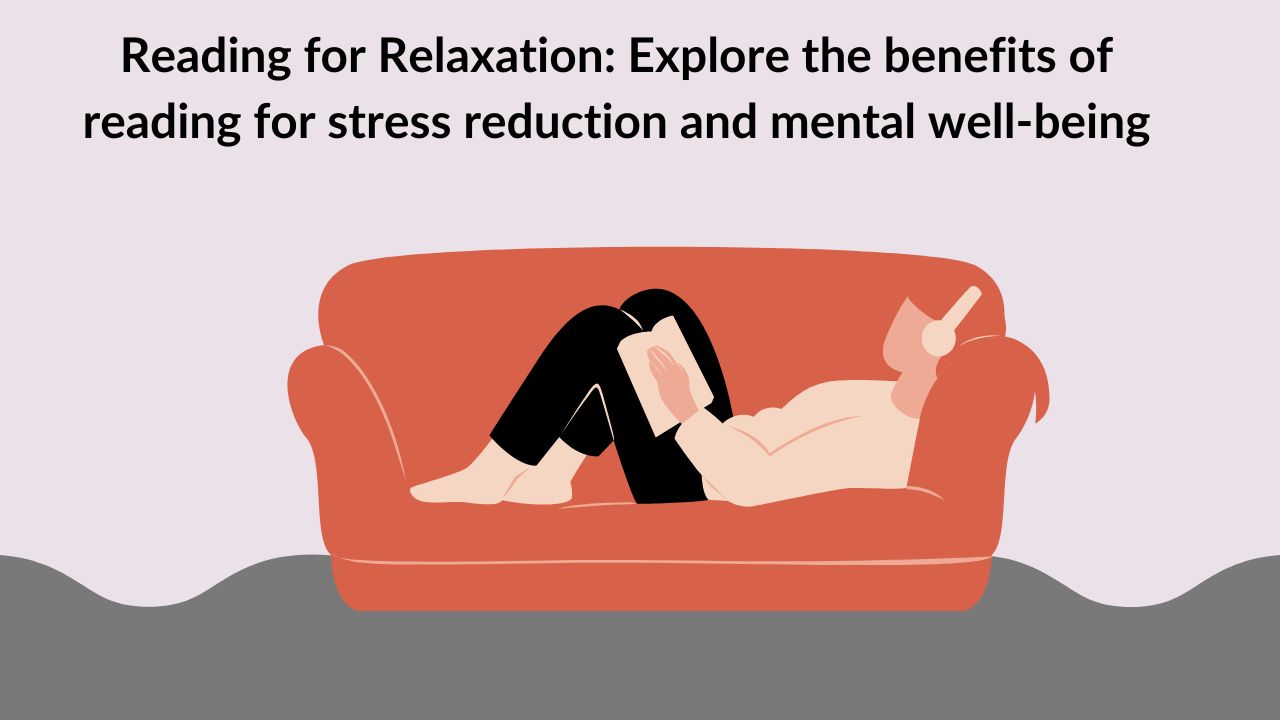
Reading for Relaxation: Explore the benefits of reading for stress reduction and mental well-being
Imagine yourself sitting in a cozy armchair, a warm cup of tea in one hand, and a captivating book in the other. As you turn the pages, you feel the weight of the day slowly lift off your shoulders. The characters on the pages transport you to another world, offering a much-needed escape from the stresses of everyday life. This peaceful reading time becomes a sanctuary of relaxation, rejuvenation, and mental well-being.
Reading is more than just a hobby; it is a powerful tool for reducing stress and improving mental wellness. Numerous studies have shown that reading can lower stress levels by up to 68%. It has a physiological impact, lowering heart rate and muscle tension, leading to a state of relaxation. Additionally, reading provides a form of mental escapism, allowing individuals to take a break from their worries and immerse themselves in a different reality. Research has even found that reading is more effective in reducing stress than other relaxation methods such as listening to music or drinking tea.
In this article, we will delve into the benefits of reading for relaxation and mental well-being. We will explore the physiological impact of reading, how literature offers a healthy retreat, the social benefits of reading, how it combats mental decline, and the therapeutic power of reading for mental health and emotional wellness. Join us on this journey as we discover the magic of reading and unlock the potential for relaxation and self-care.
Key Takeaways:
- Reading reduces stress levels and promotes relaxation.
- It has a physiological impact, lowering heart rate and muscle tension.
- Reading offers a mental escape, providing a break from daily stressors.
- Compared to other relaxation methods, reading has been found to be more effective in reducing stress.
- Reading enhances empathy, understanding, and social connections.
Unveiling the Stress-Reduction Power of Reading for Relaxation
The Physiological Impact: Lowering Heart Rate and Muscle Tension
Reading has a significant physiological impact on the body, leading to stress reduction. Studies have shown that reading can lower heart rate and ease muscle tension, activating the body’s relaxation response. This physiological response contributes to a sense of calm and tranquility.
Mental Escapism: How Literature Offers a Healthy Retreat
In addition to its physiological effects, reading offers a form of mental escapism. Through literature, individuals can transport themselves to different worlds, experiencing a healthy retreat from the stresses of everyday life. Reading allows for a break from reality, providing a peaceful and immersive experience that promotes relaxation and mental well-being.
Reading Versus Other Relaxation Methods: A Comparative Look
Comparing reading to other relaxation methods, such as listening to music or practicing mindfulness, literature has been found to be more effective in reducing stress levels. While other activities may provide temporary relief, reading offers a unique combination of mental stimulation, emotional engagement, and a sense of tranquility that sets it apart. By choosing calming reads and dedicating time for relaxation through reading, individuals can harness the stress-reduction power of literature and find solace in its pages.
| Relaxation Method | Effectiveness in Stress Reduction |
|---|---|
| Reading | High |
| Listening to Music | Moderate |
| Practicing Mindfulness | Moderate |
| Other Relaxation Techniques | Low |
In conclusion, reading offers a powerful and effective way to reduce stress and promote relaxation. Its physiological impact, mental escapism, and comparative effectiveness make it an ideal choice for those seeking stress relief. By incorporating calming reads into daily routines, individuals can unwind with a book, experience the therapeutic benefits of literature, and find a moment of peace in their hectic lives.
Empathy and Understanding: The Social Benefits of Reading
Reading not only provides personal relaxation but also offers social benefits, particularly in terms of empathy and understanding. Research conducted at The New School in New York City has shown that reading literary fiction can enhance an individual’s capacity to understand the thoughts and feelings of others. This improved empathy can lead to stronger social connections and a greater sense of community.
Furthermore, reading allows individuals to identify with characters in similar circumstances, reducing feelings of isolation and fostering a sense of belonging. As readers immerse themselves in the lives of fictional or real-life characters, they gain a deeper understanding of diverse experiences and perspectives, enabling them to develop more profound empathy and compassion.
By recognizing the social benefits of reading, individuals can embrace literature as a means of promoting empathy, understanding, and social well-being. Whether it’s discussing books with others, joining reading groups, or actively engaging in literary communities, reading can create bonds and foster connection, enhancing one’s overall sense of empathy towards others and promoting a more harmonious society.
Reading Therapy: Combating Mental Decline with Literature
Guarding Against Dementia: The Role of Regular Reading
Regular reading has been shown to have a significant impact on mental health, particularly in combatting mental decline. Studies consistently demonstrate a link between engaging in mentally stimulating activities, including reading, and reducing the risk of developing dementia. By incorporating calming books and relaxation through reading into daily routines, individuals can harness the therapeutic power of literature for mental well-being and cognitive health.
The Cognitive Shield: Keeping the Brain Engaged Through Books
Reading actively engages the brain, helping to keep it sharp and preventing cognitive decline. The act of reading involves various cognitive processes such as attention, memory, and comprehension, providing an exercise for the brain that strengthens its functioning. By regularly engaging in reading, individuals can create a cognitive shield that promotes mental agility and protects against the decline associated with aging.
| Reading Therapy Benefits | How to Incorporate Reading for Mental Well-being |
|---|---|
| Calms the mind: Reading induces a state of relaxation and tranquility, reducing stress and promoting mental calm. | Set aside dedicated time for reading each day, creating a peaceful reading environment.Choose books that align with personal interests and preferences. |
| Promotes cognitive health: Reading exercises the brain and enhances cognitive abilities, improving memory, attention, and critical thinking skills. | Engage in a diverse range of reading materials, including fiction, non-fiction, and challenging literary works.Take notes or engage in discussions about the books read, stimulating critical thinking and analysis. |
| Fosters empathy and emotional well-being: Reading allows for exploration of different perspectives and experiences, enhancing empathy and emotional understanding. | Read books that explore diverse cultures, experiences, and emotions.Join book clubs or engage in discussions about books to foster connections and shared experiences. |
By incorporating reading therapy into daily life, individuals can guard against mental decline, enhance cognitive function, and promote overall mental health and well-being. Reading offers a therapeutic escape, providing solace and relaxation in a world filled with stress and distractions. So, carve out time in your routine to unwind with a book and experience the transformative power of reading therapy.
Bibliotherapy: Reading for Mental Health and Emotional Wellness
Reading holds significant potential as a form of therapy for mental health and emotional wellness. The practice of bibliotherapy, which involves using books as part of therapy, has shown promising results in promoting mental well-being and providing a space for individuals to explore their emotions, gain perspective, and find solace.
Through therapeutic reading, individuals have the opportunity to develop empathy, enhance self-awareness, increase compassion, and promote problem-solving skills. Whether it’s escaping into a fictional world or delving into a self-help book, reading offers a therapeutic outlet for managing stress, anxiety, and other mental health conditions.
By incorporating reading into self-care routines, individuals can tap into the healing power of literature and nurture their mental wellness. Relax with a book, calm your mind with reading, unwind with a good book – these are all key aspects of utilizing bibliotherapy to find relaxation, solace, and a sense of well-being in today’s fast-paced world.
FAQ
How does reading help with relaxation?
Reading has a physiological impact on the body, lowering heart rate and easing muscle tension, which activates the body’s relaxation response. Additionally, reading offers a mental escape, allowing individuals to immerse themselves in another world and take a break from daily stressors.
Is reading more effective in reducing stress compared to other relaxation methods?
Yes, studies have shown that reading is more effective in reducing stress levels compared to other relaxation methods such as listening to music or practicing mindfulness.
Can reading enhance empathy and understanding?
Yes, reading literary fiction has been shown to enhance an individual’s capacity to understand the thoughts and feelings of others, leading to stronger social connections and a greater sense of community.
Can reading help in preventing mental decline?
Regular reading has been shown to guard against dementia and reduce the risk of cognitive decline. Engaging in mentally stimulating activities, including reading, is linked to a lower risk of developing dementia.
How can reading be therapeutic for mental health and emotional wellness?
Reading provides a therapeutic outlet for managing stress, anxiety, and other mental health conditions. It can help individuals develop empathy, enhance self-awareness, increase compassion, and promote problem-solving skills.
Source Links: