Reading with Text-to-Speech Tools: Discuss the benefits and limitations
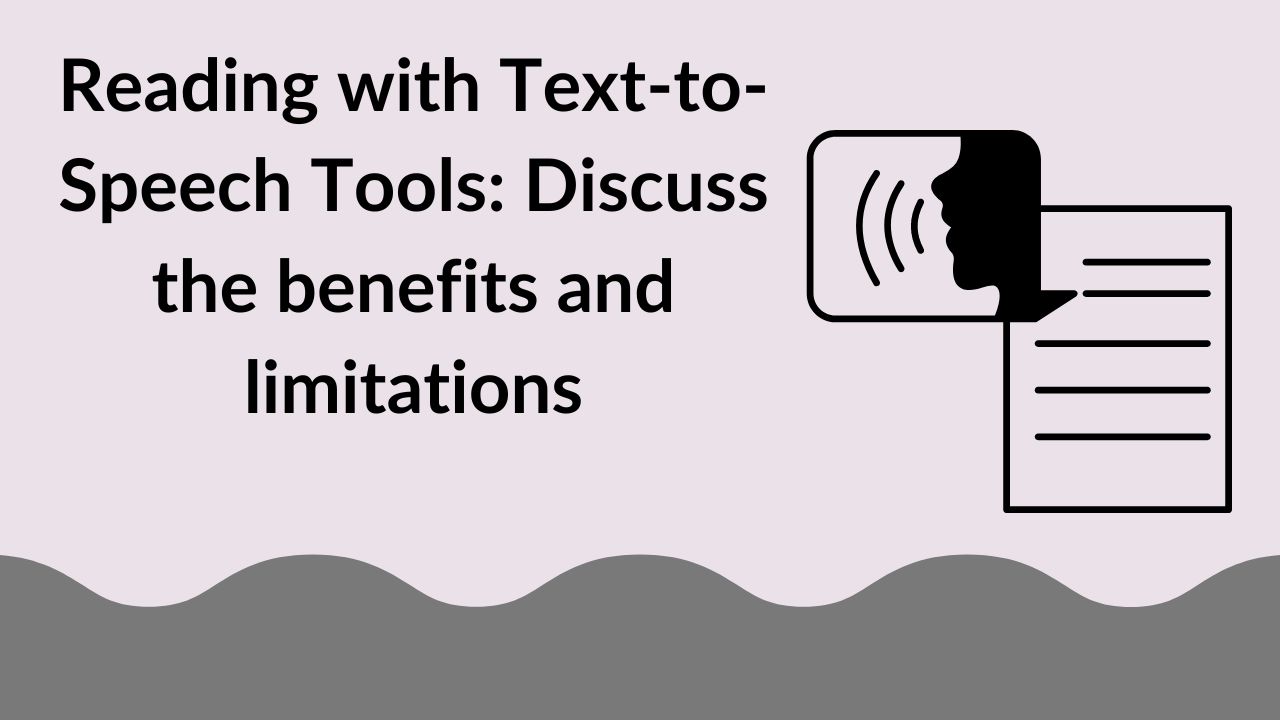
Did you know that text-to-speech tools have transformed the reading experience for millions of people worldwide? These innovative tools, powered by speech synthesis technology and artificial intelligence, enable written text to be converted into spoken words. The impact of text-to-speech software is immense, improving accessibility and convenience for users of all abilities.
In this article, we will explore the advantages and limitations of reading with text-to-speech tools. We will delve into the workings of this technology, its applications beyond accessibility, and its role in enhancing digital literacy. Additionally, we will discuss how text-to-speech tools support diverse learning needs and the specific challenges they may pose.
Key Takeaways:
- Text-to-speech tools use speech synthesis technology to convert written text into spoken words.
- These tools have a wide range of applications, beyond just improving accessibility.
- Reading with text-to-speech tools enhances digital literacy and offers advantages for various learning needs.
- TTS supports users with visual or reading impairments, facilitates language learning, and enables multitasking.
- However, there are limitations, including challenges with comprehension during multitasking and quality concerns with speech synthesis technology.
An Overview of Text-to-Speech Technology and Its Applications
Text-to-speech technology, also known as TTS, is a system that converts written text into spoken words. This innovative technology has undergone significant advancements over the years, transforming from robotic and unnatural-sounding voices to more lifelike and natural-sounding speech.
Defining Text-to-Speech: How Does It Work?
Text-to-speech technology utilizes complex algorithms and artificial intelligence to analyze written text and generate corresponding audio output. The process involves breaking down the text into smaller units, such as phonemes and words, which are then synthesized into spoken words through speech synthesis techniques.
The Evolution of TTS: From Robotic to Natural-Sounding Voices
Early versions of text-to-speech technology produced robotic-sounding voices that lacked natural intonation and expression. However, advancements in TTS solutions have led to the development of more realistic and human-like voices. Through the incorporation of sophisticated linguistic models and neural networks, text-to-speech systems now offer a more engaging and immersive auditory experience.
Various Use Cases: Not Just for Accessibility
While text-to-speech technology is widely recognized for its accessibility benefits in assisting individuals with visual or reading impairments, its applications go far beyond accessibility. TTS solutions have found utility across various industries such as education, entertainment, telecommunications, and many more. It provides opportunities for interactive learning, voice assistants, audiobooks, gaming, and automated voice response systems.
Impact of AI and Neural Networks on Speech Synthesis
The significant advancements in artificial intelligence and neural networks have revolutionized speech synthesis in text-to-speech technology. The integration of AI algorithms and deep learning techniques has enhanced the quality, naturalness, and expressiveness of synthesized speech. These advancements have also paved the way for personalized voice generation, enabling users to have their own custom voices for a more personalized user experience.
| Industry | Application |
|---|---|
| Education | Interactive learning, language pronunciation, audiobooks |
| Entertainment | Virtual reality, gaming, voiceover for multimedia content |
| Telecommunications | Automated voice response systems, voice assistants |
Reading with Text-to-Speech Tools: Enhancing Digital Literacy
Text-to-speech tools have revolutionized the way people consume digital content and enhance their digital literacy. These tools provide an auditory learning experience that can improve comprehension and retention of information. They can be particularly beneficial for individuals with reading difficulties, language learners, and those who prefer audio-based learning.
With text-to-speech technology, users can convert written text into spoken words, allowing them to listen to online articles, ebooks, and other digital materials. This audio format enables individuals to engage with content while performing other tasks, making it ideal for multitasking.
For individuals with reading difficulties, such as dyslexia or visual impairments, text-to-speech tools provide an alternative way to access information. By listening to the content being read aloud, these individuals can overcome challenges related to reading fluency, decoding, and comprehension.
Language learners can also benefit greatly from text-to-speech tools. By listening to the pronunciation of words and sentences, learners can improve their language skills and develop a better understanding of spoken language patterns. This feature is especially valuable for those learning a new language or trying to improve their accent.
Furthermore, text-to-speech tools cater to those who prefer audio-based learning. Some individuals find it easier to retain information when they hear it rather than reading it silently. By converting written text into spoken words, these tools offer an inclusive learning experience that accommodates different learning styles.
Online text readers and audio readers are examples of text-to-speech tools that are widely available. These tools allow users to paste or upload text and have it read aloud in a natural-sounding voice. Many online platforms and applications now integrate text-to-speech functionality, making it easily accessible to users across various devices.
In conclusion, reading with text-to-speech tools enhances digital literacy by providing an auditory learning experience, improving comprehension and retention of information, and catering to individual learning needs. Whether it’s for individuals with reading difficulties, language learners, or those who prefer audio-based learning, text-to-speech tools offer a valuable tool for enhancing digital literacy.
Decoding the Benefits: How TTS Supports Diverse Learning Needs
Text-to-speech (TTS) tools offer a wide range of benefits that cater to diverse learning needs. These tools are particularly valuable for individuals with visual or reading impairments, as they convert text into speech, improving accessibility and inclusive learning experiences.
Improved Accessibility for Users with Visual or Reading Impairments
For individuals with visual impairments, TTS tools serve as a powerful assistive technology, allowing them to access and comprehend written content through auditory means. This enables them to independently consume digital information, whether it’s e-books, online articles, or academic materials. Additionally, people with reading impairments, such as dyslexia or learning disabilities, can benefit from TTS tools by having written text read aloud to them, enhancing their understanding and engagement with the content.
Facilitating Language Learning and Pronunciation
TTS tools also play a significant role in language learning and pronunciation improvement. By listening to spoken words and phrases, language learners can develop a better understanding of proper pronunciation and intonation. These tools provide the opportunity to hear how words are spoken by native speakers, helping learners refine their pronunciation skills and build confidence in speaking a new language.
Enabling Multitasking: Learn on the Go
One notable advantage of using TTS tools is the ability to multitask and learn on the go. Users can listen to text being read aloud while performing other activities such as commuting, exercising, or doing household chores. This allows for efficient use of time and ensures continuous learning without having to allocate dedicated reading periods.
Customizable Reading Experiences with Voice and Speed Adjustments
TTS tools offer highly customizable reading experiences to cater to individual preferences. Users can adjust the voice, speed, and even language settings to optimize their learning experience. With a variety of voices available, users can choose one that suits their listening preferences, making the learning process more enjoyable and engaging.
In conclusion, text-to-speech tools provide a multitude of benefits for individuals with diverse learning needs. These tools enhance accessibility for those with visual or reading impairments, assist in language learning and pronunciation improvement, enable multitasking, and offer customizable reading experiences. Incorporating TTS technology into learning environments promotes inclusivity, fosters independent learning, and supports lifelong learning journeys.
Identifying Limitations: When Text-to-Speech Falls Short
While text-to-speech tools offer numerous benefits, it’s essential to understand their limitations. One challenge arises when multitasking while listening to text-to-speech. While it may be convenient to listen to content while doing other tasks, it can pose challenges for comprehension and retention of information. Divided attention can result in missed details or difficulty in processing the content effectively.
The quality of speech synthesis technology can also vary, leading to concerns about authenticity and accuracy. Some text-to-speech tools may produce robotic or unnatural-sounding voices, making it difficult for users to engage with the material. Inaccurate pronunciation or tone can further impact the overall experience and effectiveness of the tool.
Additionally, certain types of content, such as complex text and graphics, may not be well-suited for conversion into speech. Text-to-speech tools primarily focus on converting written text into spoken words, which can sometimes lead to challenges in conveying visual information effectively. Users may struggle to navigate through complex diagrams, charts, or images that are crucial for understanding the content.
Moreover, the human touch and nuances of communication can be lost in digital voices. Natural human interaction involves tone, emphasis, and non-verbal cues that contribute to understanding the message. While text-to-speech tools have made significant advancements in natural-sounding voices, they may still lack the subtle nuances and emotional aspects that are inherent in human communication.
Understanding these limitations is crucial when considering the effectiveness of text-to-speech tools. Users should weigh these factors against their specific needs and use cases to make informed decisions about when and how to utilize text-to-speech technology.
FAQ
What are the benefits of reading with text-to-speech tools?
Reading with text-to-speech tools offers improved accessibility, convenience, and enhanced comprehension and retention of information.
How does text-to-speech technology work?
Text-to-speech technology uses artificial intelligence and speech synthesis to convert written text into spoken words.
What are the applications of text-to-speech technology?
Text-to-speech technology is used in various industries, such as education, entertainment, and telecommunications, to enhance accessibility and deliver information in a spoken format.
How has text-to-speech technology evolved?
Text-to-speech technology has evolved from robotic and unnatural-sounding voices to more lifelike and natural-sounding speech, thanks to advancements in artificial intelligence and neural networks.
How does reading with text-to-speech tools enhance digital literacy?
Reading with text-to-speech tools provides an auditory learning experience that can improve comprehension and retention of information, benefiting individuals with reading difficulties, language learners, and those who prefer audio-based learning.
What are the benefits of text-to-speech tools for users with visual or reading impairments?
Text-to-speech tools enhance accessibility for individuals with visual or reading impairments by converting text into speech, allowing them to consume digital content more easily.
How do text-to-speech tools facilitate language learning?
Text-to-speech tools allow language learners to hear and practice spoken words, improving their pronunciation and language skills.
Can text-to-speech tools be used for multitasking and learning on the go?
Yes, text-to-speech tools enable multitasking and learning on the go, allowing users to listen to text while performing other tasks or when they are on the move.
Can I customize the reading experience with text-to-speech tools?
Yes, text-to-speech tools offer customizable reading experiences with adjustable voice and speed settings, allowing users to tailor the experience to their preferences.
What are the limitations of text-to-speech tools?
Limitations of text-to-speech tools include challenges with comprehension and retention during multitasking, varying quality of speech synthesis technology, restrictions with complex text and graphics, and the loss of human touch and nuances in digital voices.
Source Links: