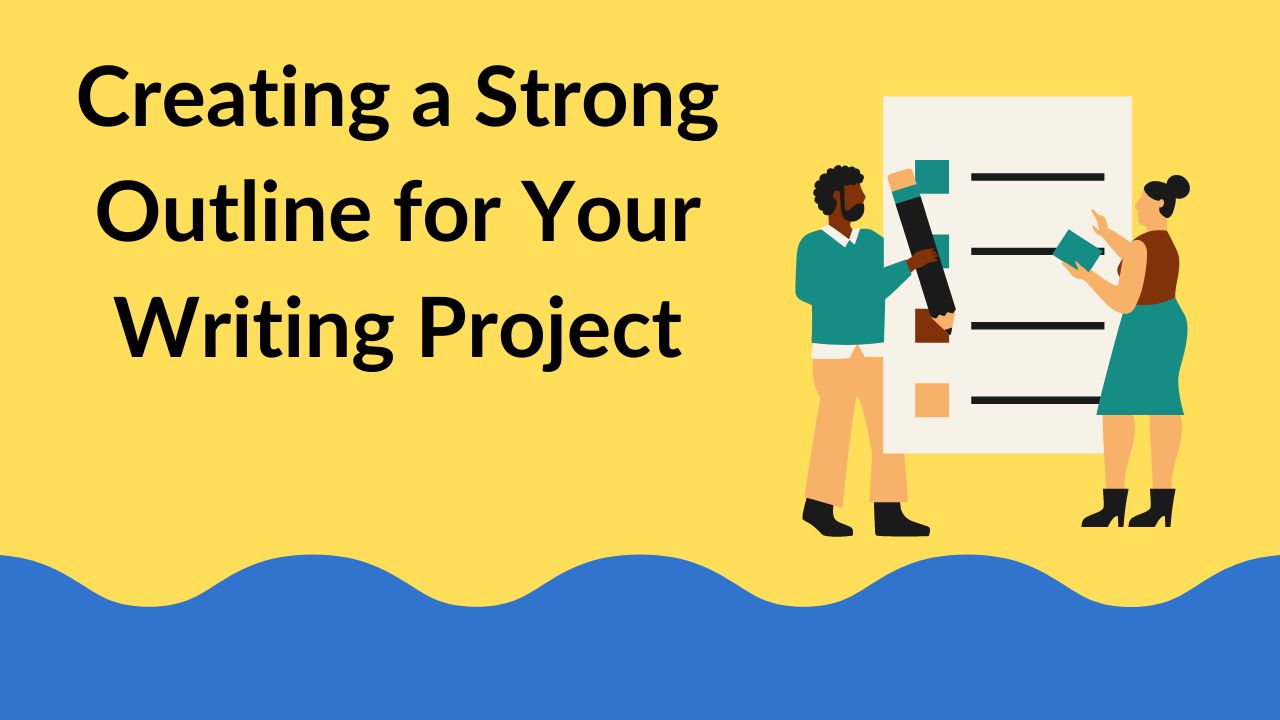
Creating a Strong Outline for Your Writing Project
Did you know that creating an outline can significantly improve your writing process? Studies show that writers who use outlines are more organized and produce higher-quality work. An outline helps you structure your ideas, maintain focus, and organize your writing effectively. In this article, we will explore the importance of creating a strong outline for your writing project and how it can help you achieve your goals.
Key Takeaways:
- Creating an outline is crucial for a well-structured writing project.
- An outline helps maintain focus and improves the overall flow of ideas.
- Identify your central theme or thesis statement before initiating your outline.
- Utilize brainstorming strategies to unleash your creativity and generate compelling content.
- Organize your writing within the framework of your outline to ensure coherence and logical progression.
Understanding the Importance of Outlines for Writing
Outlines are a fundamental component of the writing process, serving as a roadmap for your ideas. They play a crucial role in organizing your thoughts, ensuring logical progression, and improving the overall coherence of your writing. By creating an outline, you can establish a clear structure for your work and maintain focus throughout the writing process.
Effective outlines provide several advantages for writers:
- Organizing Your Thoughts: Outlines help you arrange your ideas in a logical order, ensuring that each point is presented in a coherent and structured manner.
- Ensuring Logical Progression: By outlining your writing, you can ensure that your ideas flow smoothly from one point to the next, maintaining a clear and logical progression.
- Improving Coherence: Outlines act as a guide to maintain consistency and coherence in your writing, enabling you to stay on topic and avoid tangents.
- Facilitating Efficiency: Creating an outline before you begin writing can save you time and effort by providing a framework for your work, making it easier to fill in the details.
In order to create an effective outline, it is essential to prioritize clarity and organization. By carefully structuring your outline, you can ensure that your writing follows a logical flow and effectively communicates your intended message.
Next, we will explore various strategies and techniques for initiating your outline. By selecting and brainstorming ideas, you can lay a strong foundation for your writing project.
Initiating Your Outline: Selecting and Brainstorming Ideas
Identifying Your Central Theme or Thesis Statement
Before you begin outlining your writing, it’s essential to identify your central theme or thesis statement. This acts as the guiding principle for your outline and keeps your writing focused. The central theme provides a clear and concise overview of the main idea you want to convey, while the thesis statement states the purpose and stance of your writing.
Strategies for Brainstorming: Unleashing Your Creativity
Brainstorming is a valuable technique for generating ideas and refining your central theme. It allows you to unleash your creativity and explore various angles and perspectives. Here are some effective strategies for brainstorming:
- Free Writing: Set a time limit and write continuously without judging or editing your ideas. This helps to uncover hidden thoughts and encourages new insights.
- Mind Mapping: Start with a central concept and create a visual web of associated ideas. This visual representation aids in forming connections and expanding your understanding of the topic.
- Listing: Simply list all the ideas that come to mind without any particular order. This technique allows for quick and spontaneous idea generation.
- Role-Playing: Put yourself in the shoes of different characters or personas related to your topic. This exercise helps you explore diverse perspectives and encourages innovative thinking.
- Group Discussion: Collaborate with others who are interested in the same topic. Engage in open conversations and bounce ideas off each other. This interactive process sparks creativity and fosters inspiration through collective thinking.
By applying these brainstorming strategies, you can explore various angles, challenge assumptions, and uncover unique insights to fuel the creation of your writing outline.
Organizing Content: The Framework of Your Outline for Your Writing
Once you have established your central theme and brainstormed a pool of ideas, the next crucial step is to organize your content within the framework of your outline. This process ensures that your writing has a clear structure, logical transitions, and a cohesive flow from start to finish. A well-organized outline serves as a solid foundation for your writing project, allowing you to express your ideas effectively and engage your readers.
- Create an Outline Template: Start by creating a template that outlines the main sections and subtopics of your writing piece. This template acts as a rough guideline, helping you organize your thoughts and prevent any important points from being overlooked. Consider using headings, subheadings, and bullet points to structure your outline in a visually appealing and organized manner.
- Utilize Effective Outlining Techniques: There are various techniques you can employ to enhance the effectiveness of your outline. One technique is prioritizing your ideas based on their importance or relevance to your central theme. This ensures that your writing has a logical progression and avoids any unnecessary tangents. Another technique is using parallel structure, where the format and wording of each subtopic align consistently, creating a sense of coherence and professionalism.
- Structure Your Writing: Use your outline as a map to structure your writing. Start with a clear introduction that sets the stage for your topic and engages your readers. Then, use the main sections of your outline as a guide to develop your ideas in a well-organized manner. Finally, conclude your writing by summarizing your key points and leaving your readers with a memorable takeaway.
- Create Logical Transitions: A well-organized outline helps you create seamless transitions between ideas, allowing your writing to flow smoothly. Use transitional words and phrases to connect different sections and paragraphs, guiding your readers effortlessly from one point to the next. By incorporating these transitions, you ensure that your writing is cohesive and easy to follow.
By following these effective outlining techniques and incorporating them into your outline template, you will be able to organize your content in a way that maximizes the impact of your writing. An organized and well-structured outline sets the stage for a compelling and engaging piece of writing that captivates your audience.
Enhancing and Adapting the Writing Process Outline
The writing process is an iterative journey, and the same holds true for the outlining process. As you progress in your writing project, it’s crucial to revisit and refine your outline. This iterative approach allows you to adapt your plan, ensuring that it aligns with the evolving direction of your writing.
By revisiting your outline, you can assess its effectiveness in capturing your ideas and maintaining a logical flow. This process enables you to identify any gaps or areas that need further development, ensuring that your final piece is comprehensive and coherent.
Revisiting and Refining the Outline: The Iterative Process
When revisiting your outline, pay attention to the sequence of your ideas and the overall structure. Ask yourself if the flow of information makes sense and if each section contributes to the central theme or thesis statement. Be willing to make adjustments and reorganize as needed, keeping in mind the purpose and intended audience of your writing.
The Role of Feedback in Perfecting Your Outline
Feedback plays a vital role in refining your outline and elevating the quality of your writing. Seek input from trusted peers, mentors, or writing professionals who can provide valuable insights and suggestions. Their fresh perspective can help you identify blind spots and strengthen your outline, leading to a more polished final product.
Embrace constructive feedback and use it as a springboard for improvement. Consider different viewpoints and weigh the suggestions against your writing goals, making changes that enhance the clarity and impact of your outline.
By adopting an iterative approach and incorporating valuable feedback, you can continually enhance and adapt your writing process outline. This commitment to refinement will result in a more effective roadmap for your ideas and ultimately contribute to a well-crafted and persuasive piece of writing.
FAQ
Why is creating an outline important for my writing project?
Creating an outline is important because it helps establish a clear and organized structure, maintains focus, and ensures a smooth flow of ideas.
How do outlines contribute to effective and well-structured writing?
Outlines help organize thoughts, ensure logical progression, and improve the overall coherence of writing, resulting in effective and well-structured content.
How do I identify a central theme or thesis statement for my outline?
Identifying a central theme or thesis statement is essential as it acts as the guiding principle and keeps your writing focused.
What are some strategies for brainstorming ideas for my outline?
Strategies for brainstorming include unleashing creativity, exploring different perspectives, and utilizing techniques like mind mapping or freewriting.
How do I organize my content within the framework of my outline?
You can organize your content by creating an outline template, utilizing effective outlining techniques, and ensuring logical transitions and cohesive flow.
Why is it important to revisit and refine my outline during the writing process?
Revisiting and refining your outline allows for continuous improvement, adaptation, and a more polished final product.
How does feedback play a role in perfecting my outline?
Feedback from peers or professionals helps identify areas for improvement, enhances the quality of your outline, and improves the overall writing process.
Source Links: