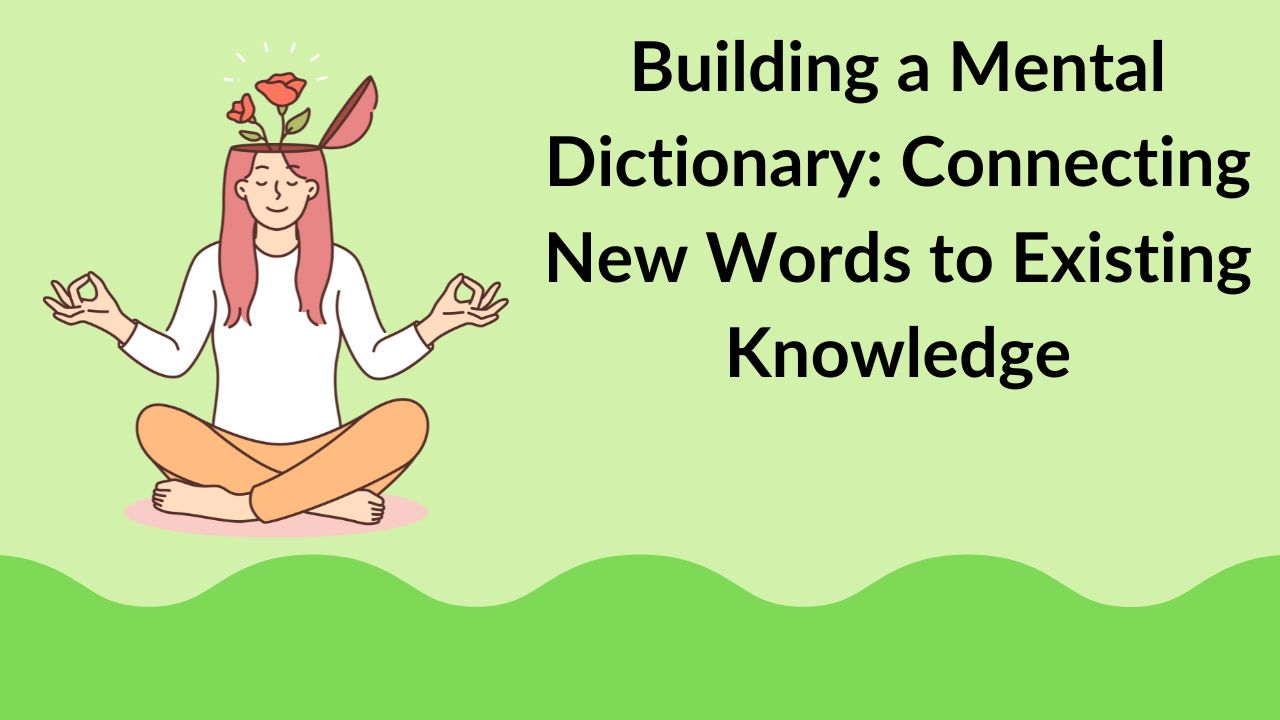
Building a Mental Dictionary: Connecting New Words to Existing Knowledge
Building a mental dictionary is a crucial step in vocabulary acquisition and language comprehension. By connecting new words to existing knowledge, we can expand our vocabulary and improve our ability to understand and use language effectively. In this article, we will explore the importance of vocabulary development in language comprehension, examine evidence-based approaches to enhance vocabulary knowledge, discuss the process of connecting new words to existing knowledge, and explore strategies for optimizing language acquisition. Let’s delve into the fascinating world of cognitive learning and discover how building a mental dictionary can transform our language abilities.
Key Takeaways:
- Building a mental dictionary is essential for expanding vocabulary and enhancing language comprehension.
- Vocabulary development plays a crucial role in reading comprehension and effective communication.
- Evidence-based approaches, such as explicit instruction and word networks, can enhance vocabulary knowledge.
- Connecting new words to existing knowledge involves relating new words to familiar concepts and using mnemonic devices.
- Strategies for vocabulary expansion include contextual learning, creating a word-rich environment, and implementing NLP techniques.
The Importance of Vocabulary Development in Language Comprehension
Vocabulary development plays a crucial role in language comprehension. A strong vocabulary allows individuals to understand the meaning of words, comprehend written texts, and effectively communicate their thoughts and ideas.
Understanding the Role of Vocabulary in Reading Comprehension
In the context of reading comprehension, a wide vocabulary enables readers to understand the nuances of the text, make inferences, and derive meaning from context. By having a diverse range of words at their disposal, individuals can engage with the text at a deeper level, enhancing their overall reading comprehension skills.
Evidence-based Approaches to Enhance Vocabulary Knowledge
There are several evidence-based approaches that can be employed to enhance vocabulary knowledge and improve language comprehension skills. These approaches include:
- Explicit Instruction: Directly teaching new words and their meanings in a clear and structured manner.
- Word Networks: Creating connections between words, exploring relationships, and illustrating how words are related to one another.
- Multiple-Meaning Words: Focusing on words that have multiple meanings, allowing individuals to understand the different contexts in which a word can be used.
By utilizing these evidence-based approaches, individuals can actively engage in vocabulary development, expanding their vocabulary knowledge and improving their language comprehension abilities in the process.
| Evidence-Based Approach | Description |
|---|---|
| Explicit Instruction | Directly teaching new words and their meanings in a clear and structured manner. |
| Word Networks | Creating connections between words, exploring relationships, and illustrating how words are related to one another. |
| Multiple-Meaning Words | Focusing on words that have multiple meanings, allowing individuals to understand the different contexts in which a word can be used. |
Connecting New Words to Existing Knowledge
Connecting new words to existing knowledge is a fundamental aspect of vocabulary acquisition. When individuals encounter new words, they have the opportunity to associate them with their existing knowledge, creating connections and deepening their understanding. This active process not only allows for the assimilation of new vocabulary but also enhances language comprehension skills.
There are several strategies that can be employed to connect new words to existing knowledge:
- Relating new words to familiar concepts: By identifying similarities or connections between new words and concepts already known, individuals can establish a cognitive link that aids in memory retention and recall.
- Using mnemonic devices: Mnemonic devices, such as acronyms, visualization, or association techniques, can help individuals create mental hooks or cues that facilitate the retention and retrieval of new vocabulary.
- Making connections through semantic linkages: Actively seeking semantic associations between new words and related words or concepts can strengthen the mental connections and facilitate the recall of vocabulary in various contexts.
By actively engaging in the process of connecting new words to existing knowledge, individuals can enhance their vocabulary acquisition and enrich their language comprehension skills. These strategies foster a deeper understanding of language, facilitate cognitive learning, and support the overall language learning journey.
Optimizing Language Acquisition: Strategies for Vocabulary Expansion
When it comes to language acquisition and expanding vocabulary, implementing effective strategies can make a significant difference. By utilizing these strategies, individuals can enhance their cognitive linguistic connections, create a word-rich environment, and leverage powerful NLP techniques for more effective language learning.
Building Cognitive Linguistic Connections through Contextual Learning
One strategy for optimizing language acquisition is to build cognitive linguistic connections through contextual learning. This approach involves providing meaningful examples and using real-life situations to reinforce vocabulary knowledge. By connecting new words to their relevant contexts, individuals can deepen their understanding and retention of vocabulary. This not only enhances comprehension but also allows for practical application in real-world scenarios.
Cultivating a Word-Rich Environment for Language Development
A word-rich environment plays a crucial role in vocabulary expansion. By creating opportunities for exposure to diverse vocabulary, individuals can continually strengthen their linguistic skills. This can be achieved through activities such as reading books, articles, and newspapers, engaging in conversation with a variety of people, and actively seeking out opportunities for writing. By immersing oneself in a word-rich environment, language learners can enhance their vocabulary and develop a deeper understanding of word usage and context.
Implementing NLP Techniques for Effective Language Learning
Neuro-Linguistic Programming (NLP) techniques offer valuable tools for optimizing language acquisition. NLP leverages techniques that align with the brain’s natural way of processing information, making language learning more efficient and effective. Through techniques such as visualizations, modeling, and pattern recognition, individuals can enhance their learning experience and accelerate their language acquisition. NLP techniques also focus on building effective communication skills, allowing learners to apply their expanded vocabulary in real-life situations.
By incorporating these strategies into one’s language learning routine, individuals can optimize their language acquisition journey. Building cognitive linguistic connections, cultivating a word-rich environment, and implementing NLP techniques not only expand vocabulary but also enhance language comprehension and overall linguistic proficiency.
Maximizing Cognitive Learning: Tools for Building Your Mental Lexicon
When it comes to cognitive learning, maximizing your potential involves utilizing various tools and techniques to build and expand your mental lexicon. By actively engaging in these strategies, you can enhance your language acquisition, vocabulary expansion, and overall cognitive abilities.
Semantic integration techniques play a crucial role in building your mental lexicon. By integrating new words with your existing knowledge, you can create meaningful associations that enhance your understanding and retention of vocabulary. This process allows you to connect the dots between different concepts and expand your overall linguistic competence.
Another valuable tool for expanding your mental lexicon is word relationship mapping. Through visualizing and mapping the connections between words, you can gain a deeper understanding of their relationships and how they fit into the larger context of language. This approach allows you to see the interconnectedness of words and further solidify your vocabulary knowledge.
Knowledge consolidation is essential for long-term retention and effective learning. By regularly reviewing and reinforcing your vocabulary, you can solidify your knowledge and ensure that it becomes a permanent part of your mental lexicon. This practice helps you build a strong foundation of language skills and supports your ongoing cognitive development.
In summary, maximizing cognitive learning involves employing tools such as semantic integration techniques, word relationship mapping, and knowledge consolidation. By actively utilizing these strategies, individuals can expand their mental lexicon, enhance their language acquisition abilities, and achieve optimal cognitive learning outcomes.
FAQ
What is the importance of building a mental dictionary?
Building a mental dictionary is essential for connecting new words to existing knowledge, enhancing language comprehension, and expanding vocabulary.
How does vocabulary development contribute to language comprehension?
Vocabulary development plays a crucial role in language comprehension as it enables individuals to understand word meanings, comprehend written texts, and effectively communicate their ideas.
How can I connect new words to existing knowledge?
You can connect new words to existing knowledge by relating them to familiar concepts, using mnemonic devices, and creating semantic linkages to deepen your understanding.
What strategies can I use to expand my vocabulary?
You can optimize language acquisition and expand your vocabulary by building cognitive linguistic connections through contextual learning, cultivating a word-rich environment, and implementing NLP techniques that align with the brain’s natural information processing.
What tools can I use to maximize cognitive learning and build my mental lexicon?
To maximize cognitive learning and build your mental lexicon, you can leverage techniques such as semantic integration, word relationship mapping, and knowledge consolidation to create meaningful associations and reinforce vocabulary.
Source Links: