
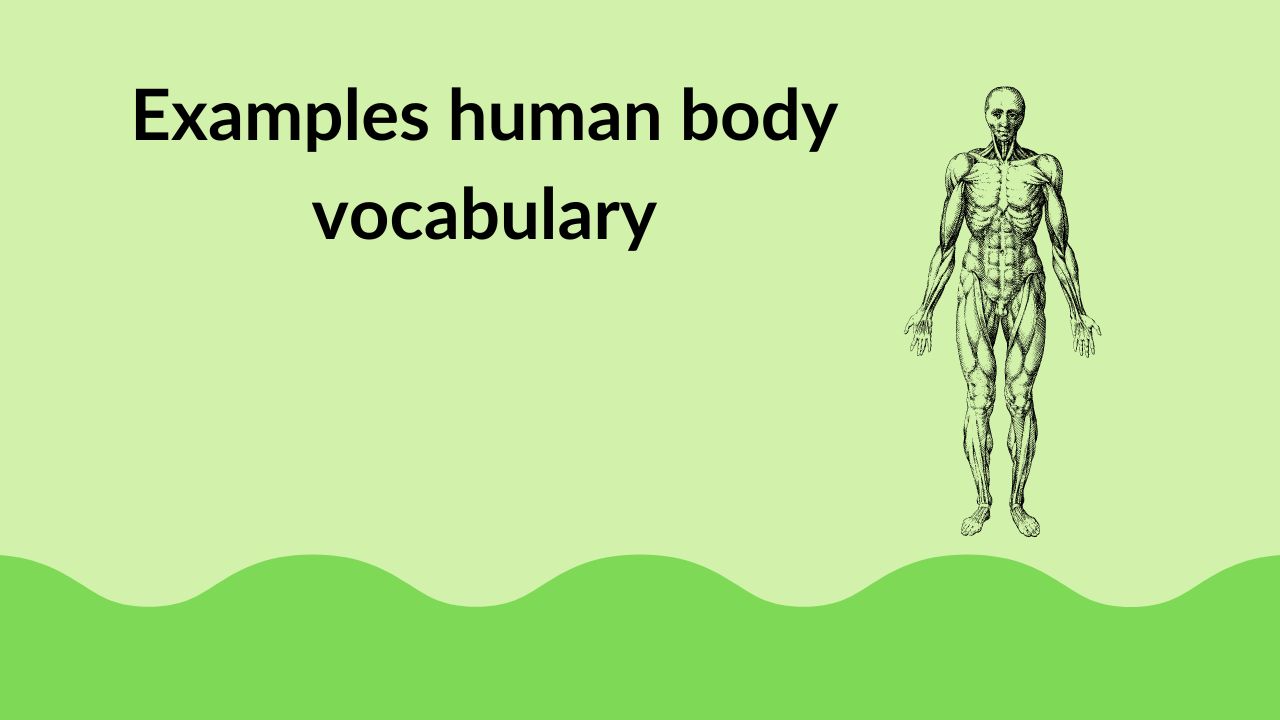
Examples human body vocabulary
Have you ever marveled at the intricate machinery that lies beneath your skin? The human body is a fascinating amalgamation of interconnected systems, each working seamlessly to sustain life and maintain wellbeing. But have you ever felt lost in conversations about anatomy or been perplexed by medical terminology? If so, you’re not alone.
Understanding the human body vocabulary, anatomy terms, medical terminology, organ system definitions, and physiological functions can be a daunting task. It can feel like deciphering a complex puzzle. However, fear not, for we are here to help guide you through this rich labyrinth of knowledge and terminology.
In this article, we will embark on a captivating journey to explore the intricacies of the human body. Together, we will unravel the mysteries of anatomy, physiology, and medical terminology, demystifying the language that surrounds the incredible vessel we call home.
Key Takeaways:
- Gain a deeper understanding of human body vocabulary and its significance in healthcare conversations.
- Discover the basics of human anatomy and physiology, including the skeletal, muscular, circulatory, respiratory, nervous, and endocrine systems.
- Expand your repertoire of healthcare-related and physiological phrases.
- Dive into medical terminology related to the digestive, excretory, immune, lymphatic, reproductive systems, as well as specialized organ vocabulary.
- Equip yourself with the knowledge and language to engage in meaningful discussions about the human body.
Explore the Basics of Human Anatomy and Physiology
In this section, we will delve into the fundamentals of human anatomy and physiology. By understanding the anatomical structure and physiological functions of the human body, we can gain insight into how our bodies function and maintain overall health.
Anatomical Structure of the Human Body
The human body is a complex organism consisting of various systems, organs, and tissues. Each system has its own unique structure and performs specific functions to ensure the body’s proper functioning. Understanding the anatomical structure of the human body is essential in comprehending the interconnections and relationships between different body parts and systems.
Understanding the Musculoskeletal System: Skeletal and Muscular Systems
The musculoskeletal system provides structural support, protects vital organs, and enables movement. It is composed of the skeletal system, which consists of bones, and the muscular system, which comprises muscles attached to the bones. Together, these systems work in tandem to facilitate movement, maintain posture, and provide support for the body.
The Vital Circulatory and Respiratory Systems
The circulatory and respiratory systems play crucial roles in supplying oxygen and nutrients to the body’s cells and removing waste products. The circulatory system consists of the heart, blood vessels, and blood, while the respiratory system is responsible for the exchange of gases, allowing us to breathe. Understanding these systems is vital as they ensure the delivery of oxygen and nutrients to all parts of the body.
Components of the Nervous and Endocrine Systems
The nervous system and the endocrine system are responsible for coordinating and controlling various bodily functions. The nervous system uses electrical signals to transmit messages, while the endocrine system releases hormones into the bloodstream to regulate processes such as growth, metabolism, and reproduction. These systems work together to maintain homeostasis and allow communication within the body.
In the table below, we summarize the key features of the skeletal system, muscular system, circulatory system, respiratory system, nervous system, and endocrine system:
| Body System | Anatomical Structure | Physiological Functions |
|---|---|---|
| Skeletal System | Framework of bones and connective tissues | Provides support, protects organs, and allows movement |
| Muscular System | Consists of muscles attached to bones | Enables movement, maintains posture, and generates heat |
| Circulatory System | Includes the heart, blood vessels, and blood | Transports oxygen, nutrients, hormones, and waste products throughout the body |
| Respiratory System | Composed of the lungs, airways, and diaphragm | Facilitates the exchange of gases and enables breathing |
| Nervous System | Comprised of the brain, spinal cord, and nerves | Coordinates body activities, receives and transmits information |
| Endocrine System | Consists of glands that secrete hormones | Regulates growth, metabolism, reproduction, and other physiological processes |
Examples of Human Body Vocabulary
Expanding your vocabulary is essential for effective communication about the human body. In this section, we will provide additional examples of human body vocabulary, including common names for body parts, healthcare-related terms, and physiological phrases. Familiarizing yourself with these terms will enable you to have meaningful conversations about the human body and better understand healthcare discussions.
Here are some examples of human body vocabulary:
- Upper limb: Refers to the arm, forearm, and hand.
- Lower limb: Includes the thigh, leg, and foot.
- Abdomen: The region between the chest and pelvis, containing various organs such as the stomach, liver, and intestines.
- Cardiovascular system: Comprised of the heart and blood vessels, responsible for circulating oxygen and nutrients throughout the body.
- Respiratory system: Consists of the lungs and airways, facilitating the exchange of oxygen and carbon dioxide in the body.
- Nervous system: Complex network of nerves and cells that transmit signals between different parts of the body.
These are just a few examples of the vast human body vocabulary that exists. Learning and using these terms will enhance your understanding of the intricate systems and structures that make up the human body, allowing you to communicate more effectively in healthcare settings and everyday conversations.
Medical Terminology: A Deeper Dive into Body Systems
In this section, we will delve deeper into the world of medical terminology, focusing on specific body systems. By understanding the terminology associated with the digestive and excretory systems, the immune and lymphatic systems, as well as the reproductive system, you will gain a more comprehensive understanding of the human body.
Digestive and Excretory Systems: A Closer Look
The digestive system plays a vital role in breaking down food and absorbing nutrients, while the excretory system helps eliminate waste products from the body. To describe the intricate processes involved in these systems, medical terminology is used. Terms such as “gastrointestinal,” “esophagus,” “pancreas,” “colon,” and “kidneys” are commonly used to describe the organs and structures involved. Understanding these terms will enable you to communicate more effectively with healthcare professionals and have a better grasp of your own body’s processes.
The Immune, Lymphatic, and Reproductive Systems
The immune system functions as the body’s defense mechanism, protecting against harmful pathogens and foreign substances. The lymphatic system, closely linked to the immune system, aids in the transportation of lymph fluid and assists in the removal of toxins. The reproductive system encompasses a complex set of organs and structures responsible for human reproduction. Learning the medical terminology associated with these systems, such as “antibodies,” “lymph nodes,” “gonads,” “ovaries,” and “testes,” will help you better understand the functions and processes occurring within your body.
Specialized Organ Vocabulary: From Vision to Hearing
In addition to the major body systems, specialized organs such as the eyes and ears have their own unique terminology. Understanding terms like “retina,” “cornea,” “eardrum,” and “cochlea” will deepen your knowledge of vision and hearing processes. Whether you’re discussing eye health or seeking information on hearing conditions, being familiar with specialized organ vocabulary will enable clearer communication and comprehension.
By delving into the medical terminology related to specific body systems and specialized organs, you will enhance your understanding of the human body. This knowledge will not only empower you to have more meaningful conversations with healthcare professionals but also enable you to make informed decisions about your own health and well-being.
FAQ
What is human body vocabulary?
Human body vocabulary refers to the terminology used to describe different aspects of the human body, including body parts, organs, and physiological functions.
What is the significance of understanding human anatomy and physiology?
Understanding human anatomy and physiology is important because it provides a fundamental understanding of how the body works. It helps us comprehend the structure and function of various body systems and how they work together to maintain overall health and function.
Can you provide some examples of human body vocabulary?
Sure! Some examples of human body vocabulary include terms like “skeletal system,” “muscular system,” “circulatory system,” and “respiratory system.” It also includes common names for body parts like the heart, lungs, brain, and liver, as well as phrases like “blood pressure,” “digestive system,” and “nerve cells.
What is the importance of medical terminology in describing the human body?
Medical terminology is essential in describing the human body accurately and precisely. It helps healthcare professionals communicate effectively, ensures clarity in diagnoses and treatment plans, and facilitates accurate documentation of patient information.
Can you provide some examples of medical terminology related to body systems?
Certainly! Some examples of medical terminology related to body systems include terms like “digestive system,” “excretory system,” “immune system,” “lymphatic system,” and “reproductive system.” It also includes specialized organ vocabulary like “retina,” “eardrum,” “liver,” and “kidneys.”
Source Links: