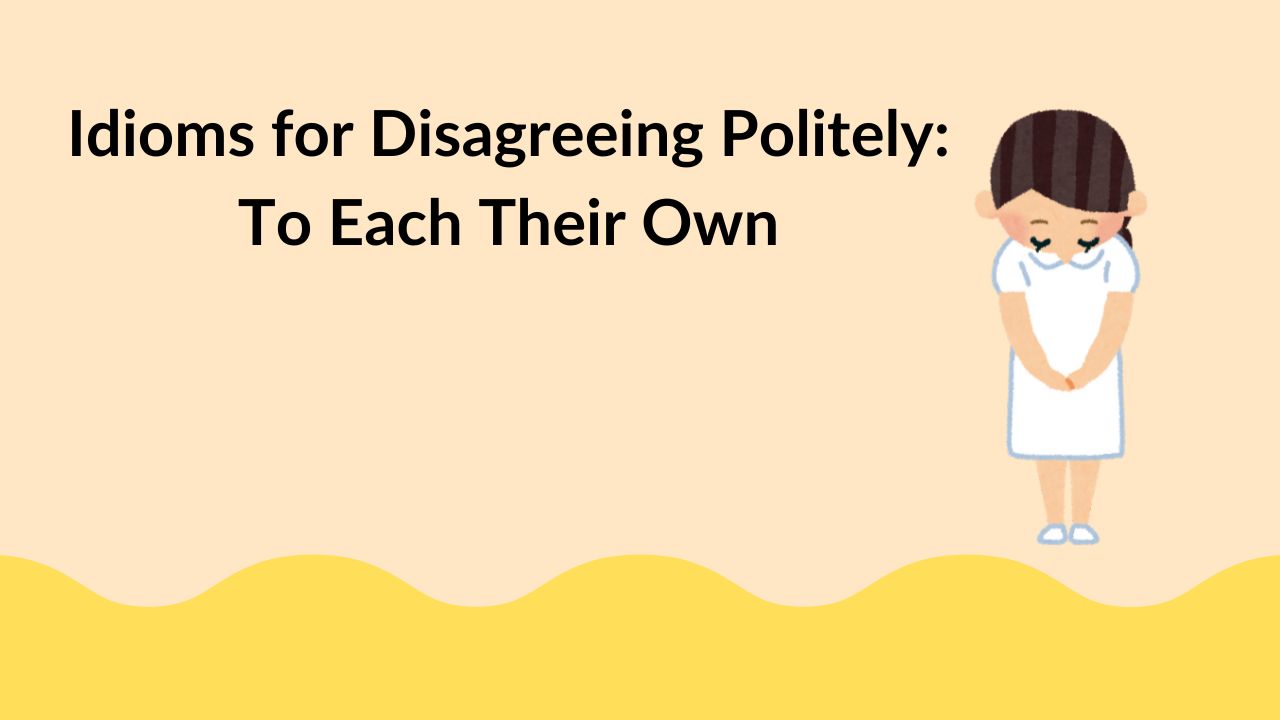
Idioms for Disagreeing Politely: To Each Their Own
Did you know that effective communication includes not only expressing your thoughts but also respectfully disagreeing with others? Polite disagreement is a valuable skill that can enhance discussions and foster understanding. In this article, we will explore a variety of idioms and phrases for disagreeing politely.
Key Takeaways:
- Polite disagreement involves using tactful language to express differing opinions.
- Common phrases for disagreeing politely include “I’m afraid I disagree” and “Well, in my opinion.
- Indirect ways of disagreeing, such as using phrases like “Actually, I think”, can help maintain a respectful conversation.
- It is important to respect the other person’s viewpoint while expressing your own disagreement.
- When settling an argument, phrases like “Let’s agree to disagree” can help avoid further conflict.
How to Disagree Politely
When engaging in a discussion or debate, it’s important to express disagreement in a polite and respectful manner. Here are some tactful ways to disagree and diplomatic expressions for disagreement:
- “I’m afraid I disagree.”
- “I beg to differ.”
- “I’m not so sure about that.”
- “Not necessarily.”
By using these phrases, you can effectively convey a differing viewpoint without being confrontational or dismissive. It’s crucial to respect the other person’s opinion while still expressing your own point of view. Start your sentences with phrases like “Well, in my opinion…” or “Actually, I think…” to soften the impact of your disagreement and foster a more constructive conversation.
| Tactful Disagreement Phrases | Example |
|---|---|
| “I’m afraid I disagree.” | “I appreciate your perspective, but I have a different viewpoint.” |
| “I beg to differ.” | “I see it differently, and here’s why.” |
| “I’m not so sure about that.” | “I understand your point, but I have some reservations about it.” |
| “Not necessarily.” | “While I understand your reasoning, I think there could be other factors to consider.” |
By using these phrases and maintaining a respectful tone, you can engage in polite disagreement while still fostering productive and valuable conversations.
Indirect Ways to Disagree
When engaging in discussions or debates, it’s important to express disagreement in a tactful and respectful manner. While direct phrases for disagreeing politely can be effective, there are also indirect ways to convey differing opinions without directly contradicting the other person. By using phrases such as “Well, in my opinion…” or “Actually, I think…”, you can subtly introduce your contrasting viewpoint without causing confrontation.
These expressions serve as a gentle way to signal that you have a different perspective, while still maintaining a civil and respectful tone. It’s crucial to use these indirect disagreement techniques appropriately, particularly in professional settings where maintaining harmony and open dialogue is essential.
Indirect Disagreement Examples:
- “Well, in my opinion, there may be another approach to consider…”
- “Actually, I think there could be some potential drawbacks to that idea…”
- “While I appreciate your perspective, I tend to see it differently…”
These indirect disagreement expressions can help foster constructive conversations by encouraging diverse viewpoints without causing offense or hostility. By expressing your dissent in a civil and thoughtful manner, you contribute to a respectful discourse where everyone’s opinions can be heard and considered.
| Direct Phrases for Disagreement | Indirect Ways to Disagree |
|---|---|
| “I disagree.” | “Well, in my opinion…” |
| “That’s not correct.” | “Actually, I think there may be another perspective to consider.” |
| “I don’t agree with that.” | “While I appreciate your viewpoint, I tend to see things differently.” |
Agreeing and Disagreeing in English
In English conversations, there are various ways to express agreement or disagreement and to state opinions. When it comes to stating an opinion, common phrases like “In my opinion…” and “The way I see it…” are frequently used. Asking for someone’s opinion can be done politely by using phrases such as “What are your thoughts on this?” and “Do you agree?”.
If you find yourself agreeing with someone, it’s helpful to express your support using phrases such as “I couldn’t agree with you more” or “You’re absolutely right”. On the other hand, if you have a different viewpoint, it’s important to express your disagreement respectfully. Phrases like “I don’t think so” and “I’m afraid I disagree” can be used to convey a difference in opinion without causing offense.
During a conversation, interruptions may occur, but it’s important to manage them politely. You can use phrases like “Can I add something here?” or “Sorry to interrupt, but…” to interject your thoughts. Finally, when it comes to settling an argument or avoiding further conflict, the phrase “Let’s agree to disagree” can be used, signaling a respectful recognition of differing opinions.
Source Links: